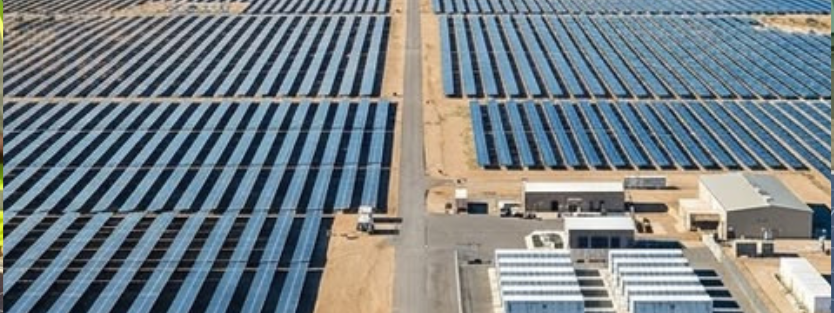
Solar installation for fish farmers in Nigeria
Agriculture remains one of the most important pillars of Nigeria’s economy, providing livelihoods for millions of people and supporting food production, trade, transportation, processing and rural development. Yet many farmers continue to face major challenges, including unreliable electricity, rising fuel costs, limited access to water and dependence on seasonal rainfall.
For fish farmers, reliable electricity is essential for water circulation, aeration, pumping, water exchange and other farm operations. For crop farmers in water-deprived communities, access to dependable water pumping systems can determine whether a farm produces throughout the year or remains dependent on unpredictable rainfall.
At KiloSmart Energy, we believe that access to reliable and affordable energy can help transform agricultural production across Nigeria. Through solar energy solutions, we aim to support fish farmers, irrigation projects, agricultural businesses and communities seeking more dependable ways to power their operations.
Our vision goes beyond installing solar panels. It is about helping farmers improve productivity, reduce their dependence on expensive fuel, strengthen food security and contribute to Nigeria’s economic growth.
1. Solar Installation for Fish Farmers in Nigeria
Fish farming, particularly aquaculture, offers significant opportunities for employment, business development and improved access to protein in Nigeria. However, commercial fish farming requires dependable energy to maintain suitable water conditions and support daily farm operations.
Where grid electricity is unreliable, farmers may depend on petrol or diesel generators to power water pumps, aerators and other equipment. Fuel expenses, equipment maintenance and unexpected power interruptions can put pressure on operating budgets.
KiloSmart Energy seeks to address these challenges through appropriately designed solar energy installations for fish farms.
How solar energy can support fish farming
Our solar solutions can be designed around the specific needs of a fish farm, including:
- Solar-powered water pumps: To support water intake, exchange and circulation where appropriate.
- Solar-powered aeration: To operate compatible aerators that help maintain dissolved oxygen in fish ponds and tanks.
- Solar hybrid systems: To combine solar panels, batteries and inverters where energy storage or backup power is needed.
- Energy for monitoring and farm equipment: To support compatible sensors, lighting and other essential electrical loads.
- Backup power integration: To provide additional resilience for critical equipment, subject to the farm’s operating requirements.
The correct system depends on the farm’s size, stocking density, water quality requirements, pump capacity and daily electricity consumption.
Empowering Nigerian Fish Farmers with Sustainable Solar Installation Solutions
The economic benefits for fish farmers
A well-designed solar installation can help fish farmers reduce generator runtime, manage energy expenditure and direct more resources towards feed, fingerlings, water quality management and farm expansion.
Over time, these improvements can support stronger business performance, more consistent fish production and greater confidence in investing in commercial aquaculture.
For KiloSmart Energy, the objective is to make renewable energy a practical tool for building more resilient and productive fish farming businesses.
2. Solar-Powered Irrigation for Water-Deprived Areas of Nigeria
Water scarcity and limited irrigation infrastructure remain significant obstacles to agricultural development in many Nigerian communities. Farmers who depend entirely on rainfall often face reduced production opportunities during dry periods, while those using fuel-powered pumps must contend with fluctuating fuel expenses.
Solar-powered irrigation offers an alternative by using energy from sunlight to pump water from suitable sources into storage tanks, reservoirs, drip irrigation networks, sprinklers or other distribution systems.
This technology can be particularly valuable in rural and agricultural communities where access to reliable grid electricity is limited.
How KiloSmart Energy can support irrigation projects
KiloSmart Energy can assess and design solar-powered water pumping solutions for eligible farms, agricultural cooperatives, irrigation schemes and rural development projects.
Depending on the site and its water resources, a system may include:
- Solar photovoltaic panels to generate electricity.
- Solar-compatible water pumps or variable-frequency pump controllers.
- Borehole, surface-water or other suitable water abstraction arrangements.
- Water storage tanks and distribution infrastructure.
- Drip irrigation or sprinkler systems, where appropriate.
- Monitoring, control and protection equipment.
- Hybrid power or battery storage where required by the application.
These systems can help farmers supply water to crops such as vegetables, tomatoes, peppers, onions, maize and other suitable agricultural produce.
Solar irrigation can also help farmers extend production into dry-season periods, when water availability and market demand may create additional business opportunities.
Why solar irrigation matters in northern and other water-stressed communities
Across parts of northern Nigeria and other areas experiencing seasonal water shortages, irrigation can create opportunities for more consistent agricultural production.
However, access to water must be assessed carefully. Solar panels cannot solve water scarcity on their own; a successful project requires a sustainable water source, appropriate pumping capacity and efficient distribution.
KiloSmart Energy’s approach is to match the energy system to the agricultural need, rather than simply install panels without considering how water will reach the crops.
Responsible water management is essential. Groundwater abstraction should be assessed and managed to avoid over-extraction, while efficient irrigation methods can help farmers make better use of available water.
3. Our Experience and Practical Approach to Agricultural Solar Installation
At KiloSmart Energy, our focus is on applying solar technology to real operational needs. Agricultural projects require more than equipment supply: they demand an understanding of energy consumption, water requirements, operating schedules, environmental conditions and the cost of maintaining the installation.
Our approach to a fish farm or irrigation project can involve the following stages.
Step 1: Site assessment and consultation
We begin by understanding the farm’s operations, existing power supply, water source, equipment requirements and future expansion plans.
Step 2: Energy and water requirements assessment
For fish farms, this may include evaluating pump loads, aerators, lighting and the need for continuous operation. For irrigation projects, it involves considering water demand, pumping depth, flow rate, delivery pressure and irrigation schedules.
Step 3: System design and equipment selection
The installation is designed around the assessed requirements, with appropriate solar panels, inverters or pump controllers, batteries where necessary, protection equipment and supporting infrastructure.
Step 4: Installation and commissioning
The system is installed and tested to confirm that it operates according to its design specifications. Pump performance, electrical protection and backup arrangements should be checked as applicable.
Step 5: Maintenance and operational guidance
Farm operators need guidance on system monitoring, equipment care, safe operation and maintenance. Regular inspections help identify problems before they cause costly interruptions.
This practical, needs-based approach is intended to help agricultural customers invest in solar systems that support their actual operations.
Every farm is different, so system capacity, expected savings and performance should be determined through an individual assessment.
4. How KiloSmart Energy Can Help Reduce Agricultural Operating Costs
Energy is a recurring expense for many commercial farmers. When pumps and other equipment depend on generators, the cost of fuel, servicing and repairs can affect profitability.
Solar energy changes the operating-cost structure by allowing a portion of the farm’s electricity demand to be met by sunlight.
The potential benefits include:
- Reduced reliance on petrol and diesel for suitable applications.
- Lower exposure to fuel-price fluctuations.
- Reduced generator servicing and fuel logistics where generator usage declines.
- More predictable energy costs after the initial system investment.
- Improved access to power in locations with unreliable grid supply.
- Opportunities to reinvest savings into farm productivity and business expansion.
Actual savings depend on system cost, fuel consumption, equipment efficiency, operating hours, sunlight, financing costs and maintenance. Solar is not automatically the cheapest option in every situation, but it can offer strong long-term value when the system is properly designed and matched to the farm’s needs.
KiloSmart Energy encourages farmers to assess the total cost of ownership rather than considering only the initial purchase price.
5. Solar Energy, Food Security and Nigeria’s GDP
The importance of agricultural solar installations extends beyond individual farms. They can contribute to a broader economic system involving food production, employment, manufacturing, transportation, storage and retail.
According to Nigeria’s National Bureau of Statistics, agriculture accounted for approximately 23.33% of real GDP in the first quarter of 2025. This highlights the sector’s continuing importance to the national economy.
Source: National Bureau of Statistics — Q1 2025 GDP Report.
By supporting productive agricultural activity, solar energy can help strengthen several channels of economic growth.
A. Increased agricultural productivity
Reliable water pumping can help farmers irrigate suitable crops beyond the rainy season. Reliable electricity can also support fish farm operations and other agricultural activities.
When production becomes more consistent, farmers may have greater opportunities to supply markets, increase sales and expand their businesses.
B. Employment and job creation
Expanding fish farming and irrigated agriculture can create or sustain jobs for farm workers, pump operators, solar technicians, equipment installers, distributors, fish processors, traders and transporters.
Solar installation projects also generate demand for technical skills in system design, electrical work, installation and maintenance.
These opportunities can help strengthen local economies, especially where agriculture is a major source of employment.
C. Improved food security
Nigeria needs productive and resilient food systems capable of supplying growing communities throughout the year.
Solar-powered irrigation can support the production of vegetables and other crops during suitable dry-season periods. Reliable energy for aquaculture can help fish farmers manage essential production processes.
Greater domestic production can improve the availability of food, although the final impact depends on factors such as access to finance, feed, seeds, fertiliser, roads, storage and markets.
D. Stronger rural economies
When farmers reduce avoidable operating expenses and improve production, they may be able to invest in equipment, employ more workers and purchase more services locally.
The resulting economic activity can benefit rural suppliers, small businesses and agricultural value chains.
E. Lower dependence on fossil fuels
Solar energy can reduce the need for generator fuel in applications where it can reliably meet energy demand.
This can lower exposure to fuel-price volatility and reduce operational emissions. The environmental benefits depend on system design, battery use, equipment lifespan and how much conventional energy the installation displaces.
F. Increased value addition and investment
Reliable energy can support agricultural processing, water management, cold storage and other productive activities when systems are appropriately sized.
These services can help farmers move beyond raw production towards higher-value agricultural businesses.
KiloSmart Energy’s contribution is to help make these opportunities more accessible through practical renewable-energy solutions. Wider adoption, supported by affordable financing, appropriate policies, skilled technicians and sustainable water management, can help strengthen agriculture’s contribution to Nigeria’s GDP.
6. Supporting Farmers in Underserved and Rural Communities
Farmers in underserved communities may face a combination of unreliable electricity, difficult access to water, expensive fuel and limited financing options.
For these customers, the challenge is not simply obtaining solar equipment. It is finding a system that is technically appropriate, financially realistic and supportable over its useful life.
KiloSmart Energy aims to support agricultural customers by focusing on the needs of the installation, selecting suitable equipment and identifying opportunities to make solar adoption more practical.
Where financing or partnership arrangements are available, these may also help eligible farmers and agricultural businesses spread the cost of investment. Availability and terms would depend on the specific arrangement.
Potential customers include:
- Smallholder and commercial fish farmers.
- Irrigated crop farmers and agricultural cooperatives.
- Commercial farms and agribusinesses.
- Rural water-pumping and agricultural development projects.
- Farm estates, hatcheries and suitable aquaculture facilities.
- Organisations investing in food security and rural economic development.
By working with farmers, agricultural businesses, equipment suppliers and potential financing partners, KiloSmart Energy seeks to support the wider adoption of renewable energy across Nigeria’s agricultural sector.
7. Building a Sustainable Future for Nigerian Agriculture
The future of Nigerian agriculture will depend partly on how effectively the country combines productive farming practices with reliable energy, responsible water management, technology and investment.
Solar energy can play an important role in that transition. When properly designed, solar-powered pumps can support irrigation, while suitable solar and hybrid systems can help fish farms operate essential equipment.
The greatest benefits emerge when these installations are treated as productive business investments rather than stand-alone equipment purchases.
That means understanding the farm’s needs, choosing the right technology, managing water resources responsibly and providing appropriate operational support.
At KiloSmart Energy, we see agricultural solar installations as an opportunity to connect clean energy with food production, rural development and economic resilience.
Our goal is to help farmers and agribusinesses explore energy solutions that support productivity, improve operational efficiency and create opportunities for sustainable growth.
Conclusion: Powering Farms, Strengthening Communities and Growing Nigeria
From fish farms requiring dependable aeration and water circulation to irrigation projects serving communities with limited access to reliable power, solar energy offers practical opportunities to improve agricultural operations.
KiloSmart Energy is committed to supporting this transition through solar installation and energy solutions tailored to the needs of farmers, businesses and agricultural projects.
By helping farmers access suitable energy systems, we aim to contribute to lower operating costs, stronger agricultural businesses, employment opportunities, improved food availability and the long-term development of Nigeria’s economy.
The future of agriculture requires more than land and labour. It requires reliable energy, responsible water management and investment in productivity. KiloSmart Energy is ready to help power that future.
Are you ready to power your farm with solar energy?
Whether you operate a fish farm, manage an irrigation project or plan to develop a commercial agricultural facility, KiloSmart Energy can help you explore a solar solution suited to your needs.
Visit KiloSmart Energy to learn more about our energy solutions and contact our team to discuss your project.
KiloSmart Energy — Powering Productivity. Enabling Growth.
Frequently Asked Questions (FAQs)
1. Can solar energy power a fish farm in Nigeria?
Yes. A suitably designed solar or solar-hybrid system can power compatible water pumps, aerators, lighting and other farm equipment. Systems supporting critical aeration may require battery storage and backup power to protect fish during periods of inadequate sunlight or equipment failure.
2. Can solar panels pump water for irrigation in dry areas of Nigeria?
Yes, where a sustainable water source is available and the pump is correctly sized. The system must be designed around the water source, pumping depth, required flow rate, irrigation method and seasonal water availability.
3. Does solar irrigation reduce farming costs?
It can reduce generator fuel consumption and related servicing costs. However, actual savings depend on the initial investment, system design, financing, operating conditions and maintenance requirements.
4. How does solar-powered agriculture contribute to Nigeria’s GDP?
Solar energy can support agricultural output, reduce some operating expenses, enable dry-season production and improve the reliability of farm operations. These improvements can support employment, domestic food supply and related businesses, contributing to economic activity.
5. Does KiloSmart Energy install solar systems for agricultural businesses?
KiloSmart Energy can be approached to discuss solar installation requirements for fish farming, irrigation and other agricultural applications. System specifications, service availability and project arrangements should be confirmed directly with the company.
6. What information is needed for a solar irrigation quotation?
Useful information includes the farm’s location, water source, pumping depth, required water volume, irrigation method, pump specifications and preferred operating schedule. These details help determine the appropriate system configuration and estimated project cost
References and further reading
- Food and Agriculture Organization of the United Nations (FAO): Solar-powered irrigation systems — guidance on irrigation, system planning and sustainable water use.
- FAO: Positive prospects for solar-powered irrigation systems — discussion of solar irrigation opportunities and the importance of water management.
- International Water Management Institute (IWMI): What Nigeria needs to scale solar irrigation — research and recommendations on expanding solar irrigation in Nigeria.
- National Bureau of Statistics (NBS): Q1 2025 GDP Report — official national economic data.